

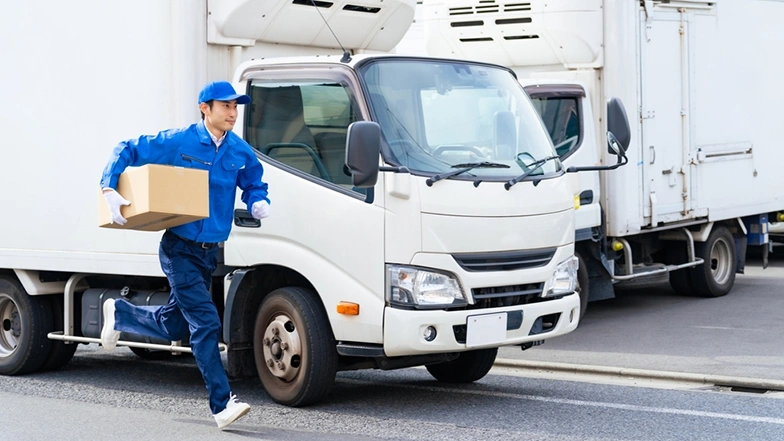
Moving long distances can be both exciting and daunting. While the prospect of starting fresh in a new place is invigorating, the financial burden of a long-distance move can be overwhelming. However, with careful planning and smart strategies, you can significantly reduce the costs associated with moving. In this comprehensive guide, we’ll explore practical tips for saving money on your long-distance move, helping you keep your budget intact while ensuring a smooth transition to your new home.
Table of Contents
TogglePlan Early and Create a Budget
One of the most effective ways to save money on a long-distance move is to plan well in advance. The earlier you start planning, the more time you have to research and compare options, avoid last-minute expenses, and take advantage of early-bird discounts.
Create a Detailed Budget
Start by creating a detailed moving budget that outlines all potential expenses, including:
- Moving company fees: Get quotes from multiple companies and include the cost of additional services like packing, loading, and insurance.
- Packing supplies: Consider boxes, tape, bubble wrap, and other packing materials.
- Transportation costs: Include fuel, tolls, and any vehicle maintenance if you’re driving yourself.
- Temporary housing: Account for any hotel stays or temporary accommodation if your move takes several days.
- Meals on the road: Budget for food and beverages during your journey.
- Unexpected expenses: Set aside a contingency fund for any unforeseen costs that may arise.
Book Your Move Early
If you’re hiring a professional moving company, booking early can save you money. Many movers offer discounts for early reservations, especially if you’re moving during an off-peak season. Additionally, securing your moving date early gives you more flexibility in choosing the most affordable options.
Declutter and Downsize
One of the simplest and most effective ways to cut moving costs is to reduce the amount of stuff you need to move. The less you have to transport, the lower your moving expenses will be.
Sort and Declutter
Go through each room in your home and sort your belongings into categories:
- Keep: Items you use regularly or have sentimental value.
- Sell: Items that are in good condition but no longer needed. Consider hosting a garage sale or selling items online through platforms like eBay, Facebook Marketplace, or Craigslist.
- Donate: Items that are still usable but don’t have resale value. Donating to charities or thrift stores can be a great way to give back to the community and earn a tax deduction.
- Recycle/Dispose: Items that are broken, outdated, or no longer functional should be recycled or disposed of properly.
Minimise Furniture
Furniture is often the most expensive and cumbersome part of a move. Consider selling or donating bulky items that may not fit well in your new home or that would be costly to transport. Replacing some furniture after the move can sometimes be more cost-effective than moving it.
Compare Moving Companies and Services
Choosing the right moving company is crucial to saving money on a long-distance move. Don’t settle for the first quote you receive—shop around and compare services to find the best deal.
Request Multiple Quotes
Contact several moving companies and request detailed quotes. Be sure to provide each company with the same information so you can compare their prices accurately. Look for companies that offer binding estimates, which guarantee the final price won’t exceed the estimate, unless you add extra services.
Consider Partial or Self-Service Moving
Full-service movers handle everything from packing to loading and unloading, but this convenience comes at a price. If you’re looking to save money, consider partial or self-service options:
- Partial Service: You pack your belongings, and the movers handle the loading, transport, and unloading. This can significantly reduce labor costs.
- Self-Service: You rent a moving truck, pack, and load it yourself, and then drive it to your new home. Alternatively, you can use a moving container service, where you pack a container at your own pace, and the company transports it to your destination.
Read Reviews and Check References
While price is important, it’s also crucial to consider the reputation of the moving company. Read online reviews and ask for references to ensure you’re choosing a reliable mover. A cheaper company isn’t worth it if it results in damaged or lost belongings.
Pack Efficiently and Economically
Packing can be a significant expense in a long-distance move, especially if you hire professionals to do it. However, with some creativity and planning, you can reduce packing costs considerably.
Use What You Have
Instead of buying expensive packing supplies, use items you already have:
- Suitcases, duffel bags, and backpacks: These can be used to pack clothes, books, and other small items.
- Towels, blankets, and linens: Use these to wrap fragile items, providing padding and protection without the need for bubble wrap.
- Original boxes: If you still have the original boxes for electronics or appliances, use them for packing those items.
Source Free Packing Materials
Save money by sourcing free packing materials:
- Grocery and liquor stores: These stores often have sturdy boxes that they’re willing to give away. Liquor boxes are especially strong and are great for packing heavy items like books.
- Online communities: Websites like Freecycle, Craigslist, or local Facebook groups often have people giving away boxes and packing materials after their own moves.
- Friends and family: Ask around to see if anyone has leftover moving supplies they no longer need.
Pack Smart
Packing efficiently not only saves space but also reduces the number of boxes and packing materials you need:
- Disassemble furniture: Take apart furniture that can be easily reassembled, like beds, tables, and shelves, to save space in the moving truck.
- Pack by weight: Place heavier items in smaller boxes and lighter items in larger boxes. This makes it easier to carry the boxes and prevents overpacking.
- Label boxes: Clearly label each box with its contents and the room it belongs in. This will save time during unpacking and help movers know where to place each box in your new home.
Time Your Move Wisely
Timing can have a significant impact on the cost of your move. Moving during peak times—such as summer, weekends, or the beginning and end of the month—can be more expensive due to high demand.
Move During Off-Peak Times
If possible, plan your move during the off-peak season, typically from September to April. Moving during the middle of the month or on a weekday can also result in lower rates, as moving companies are often less busy and may offer discounts.
Be Flexible with Your Moving Date
If you can be flexible with your moving date, you may be able to secure a better deal. Some moving companies offer reduced rates for customers who are willing to move on a day that is less in demand.
Take Advantage of Tax Deductions and Reimbursements
In certain situations, moving expenses can be tax-deductible or reimbursable. While the Tax Cuts and Jobs Act of 2017 eliminated moving expense deductions for most taxpayers, there are still some exceptions:
Military Personnel
Active-duty military members who are moving due to a permanent change of station may still be eligible to deduct moving expenses on their tax returns. Be sure to keep all receipts and documentation related to your move.
Job Relocation Reimbursement
If you’re moving for a new job, your employer may offer a relocation package that covers some or all of your moving expenses. Be sure to ask about this benefit during negotiations and find out which expenses are reimbursable.
Save Receipts for Potential Deductions
Even if you’re not eligible for a tax deduction, it’s a good idea to save all moving-related receipts. Some states offer tax deductions for moving expenses, and having detailed records will make it easier to claim these deductions.
Consider Alternatives to Traditional Moving
Traditional moving methods can be costly, but there are alternative options that can save you money, especially for long-distance moves.
Moving Container Services
Moving container services, such as PODS or U-Pack, can be a more affordable alternative to hiring a full-service moving company. With this option, a container is delivered to your home, and you pack it at your own pace. Once it’s packed, the company transports the container to your new location, where you unload it. This method allows you to control the packing process while avoiding the hassle of driving a moving truck.
Freight Shipping
For long-distance moves, freight shipping can be an economical choice. Companies like U-Pack and Old Dominion Freight Line offer “you pack, they drive” services where your belongings are shipped on a freight truck. This option is typically cheaper than hiring a traditional moving company, though it may require more coordination on your part.
Share a Moving Truck
Some moving companies offer shared or consolidated moves, where your belongings are transported in the same truck as other customers’ items. This can be a cost-effective solution for long-distance moves, as you only pay for the space your items occupy in the truck.
Use a Shipping Service
For smaller moves, consider shipping your belongings via a postal or courier service. Companies like FedEx, UPS, and the USPS offer competitive rates for shipping boxes, and this can be a convenient and cost-effective option if you don’t have a lot of items to move.
DIY Move with a Rental Truck
If you’re up for the challenge, renting a truck and moving yourself can be one of the most cost-effective ways to handle a long-distance move.
Choose the Right Truck Size
When renting a truck, be sure to choose the right size for your needs. A truck that’s too small will require multiple trips or additional vehicles, while a truck that’s too large will be more expensive and harder to drive. Most rental companies provide guidelines on how much each truck size can hold, so use this information to select the appropriate vehicle.
Look for Discounts
Many truck rental companies offer discounts for AAA members, military personnel, students, or seniors. Be sure to ask about available discounts when booking your rental.
Plan Your Route Carefully
When driving a rental truck long distances, fuel costs can add up quickly. Plan your route to avoid toll roads when possible and use apps like GasBuddy to find the cheapest fuel along the way.
Pack the Truck Efficiently
Maximise the space in your rental truck by packing it efficiently. Load heavier items first and distribute the weight evenly to prevent the truck from tipping. Use straps to secure large items and prevent them from shifting during transit.
Reduce Accommodation and Travel Costs
If your long-distance move requires multiple days of travel, accommodation and food expenses can quickly add up. Here are some ways to save on these costs:
Book Affordable Accommodations
Look for budget-friendly accommodation options like motels, hostels, or vacation rentals. Websites like Airbnb and Booking.com can help you find affordable places to stay. If you’re a member of a travel rewards program, use your points to reduce or eliminate hotel costs.
Pack Your Own Food
Save money on meals by packing a cooler with snacks, sandwiches, and drinks for the journey. This will reduce the need for expensive restaurant meals and help you avoid unhealthy fast food options.
Use Fuel Rewards Programs
Enroll in fuel rewards programs offered by gas stations to save money on fuel during your move. Some grocery store loyalty programs also offer fuel discounts, which can be used at participating gas stations.
Carpool with Family or Friends
If you’re moving with multiple vehicles, consider carpooling with family or friends to save on fuel costs. This can also make the long drive more enjoyable by sharing the driving responsibilities.
Utilise Free or Low-Cost Moving Resources
Finally, take advantage of free or low-cost resources to further reduce your moving expenses.
Ask Friends and Family for Help
Enlist the help of friends and family for packing, loading, and unloading. Offering to buy them lunch or dinner in return for their assistance can be much more affordable than hiring professional movers.
Borrow or Rent Moving Equipment
Instead of purchasing moving equipment like dollies, furniture sliders, or moving straps, see if you can borrow these items from friends, family, or neighbours. Alternatively, you can rent them from a hardware store or moving supply company for a fraction of the cost of buying new.
Look for Free Moving Boxes
As mentioned earlier, many places offer free moving boxes. Additionally, online marketplaces and community groups often have people giving away free boxes and packing materials after their own moves.
Use a Checklist to Stay Organised
Staying organised during your move can help you avoid last-minute expenses. Use a moving checklist to keep track of tasks, deadlines, and expenses, ensuring that nothing is overlooked.
Conclusion
Moving long distances doesn’t have to be prohibitively expensive. By planning ahead, downsizing, comparing services, and utilising alternative moving methods, you can significantly reduce the costs associated with your move. Whether you choose to hire professionals or opt for office removal services in Oxfordshire, rent a truck, or take advantage of free resources, there are plenty of ways to save money while ensuring a successful and stress-free move to your new home.
Remember, the key to a cost-effective move is careful planning and resourcefulness. With the tips outlined in this guide, you’ll be well-equipped to handle your long-distance move without breaking the bank. Safe travels and best of luck in your new adventure!