

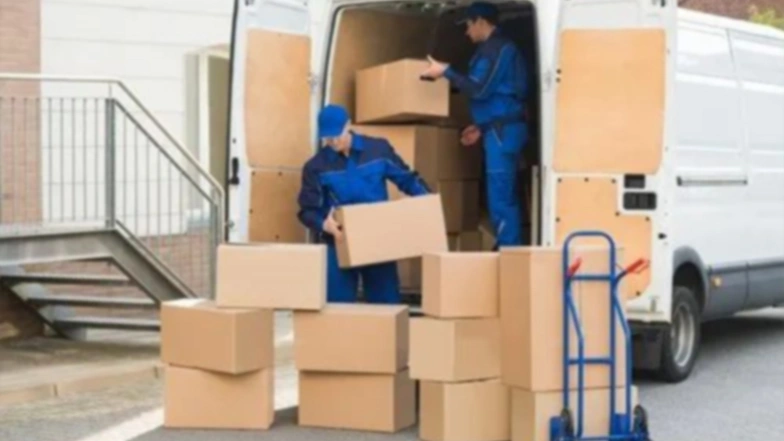
There is something comforting about putting things away. A kind of emotional relief comes when we gently tuck objects into boxes, label them with bold black marker, and stow them behind closed doors. Storage Solutions Company London has become more than just a practical solution—it’s a pause button for the things we can’t carry with us but are not quite ready to let go of. But not everything belongs in a box. Some items, by their nature or consequence, ask us to look again before we pack them away.
Table of Contents
ToggleThe Temptation of the Sealed Box
Most of us have done it. We’ve cleaned out a cupboard or the spare room and encountered a jumble of things we don’t need right now but might want… eventually. Instead of making a difficult decision, we choose to pause the story and opt for delay. We tape cardboard flaps shut, stack things neatly in the attic, storage unit, or garage—and hope that future-us will be wiser, more decisive, or simply ready.
But storage isn’t always an escape without consequences. Some things decay. Some attract pests. Others become hazards or emotional time bombs, waiting to spill memories we’ve tried to forget. The question we often fail to ask is not “Will I need this later?”, but instead, “Is this something I can responsibly put away?”
Perishables and Food: The Obvious, Too Easily Forgotten
You’d think this one goes without saying. But it’s surprising how often someone places a box of canned food or a bag of rice in storage, convinced that “non-perishable” means “eternal.” The truth is, even non-perishable food has an expiration date. Over time, boxes disintegrate. Moisture seeps in. Rats and insects don’t need an invitation too formal—just a crack in the cardboard or the smell of old sugar.
That tin of peaches you forgot about won’t thank you in three years. It might pop open with a disturbing hiss, leaking rust and regret.
Food belongs in spaces we live in, spaces we clean regularly and where expiry dates are visible, not moulding in the dark. The decision to store dry goods should always be accompanied by a calendar and a strong dose of realism.
Anything Living, or Once Living
This category includes more than you think. We’d never consider putting a pet in storage—though tragically, some stories suggest otherwise—but even things like houseplants or cut flowers often fall victim to an “I’ll just leave this here for now” mentality. They wilt quietly in self-storage units, out of sight and care.
At Removals Company Pro, we often advise our clients on what not to store, including once-living items: leather jackets, wooden furniture, books. All of them seem sturdy at first glance, yet have their own subtle decay when deprived of care. Leather can crack or mould. Wooden furniture warps in humid units. Books, especially beloved ones with dog-eared corners and handwritten dedications, suffer cruelly in musty spaces. Something alive once deserves more than a sealed tomb made of cardboard and neglect.
It’s humbling to realise that what we see as static—an old rocking chair or photo album—is actually perishing, just slowly.
Hazardous Materials: Storing Risk Without A Warning Label
Some people store unused cleaning supplies, paint cans, or garden fertilisers, believing they’re being practical or frugal. But nearly all of these come with fine print warning against heat, cold, moisture, or simply time. These substances degrade. Some become explosive. Others just leak a slow sadness over everything nearby.
One old woman I knew had kept her late husband’s workshop materials in storage for over a decade. Nothing dramatic happened—until it did. A minor leak + a forgotten can of paint thinner = a spontaneous blaze that scorched more than her memories.
We hold onto these things because they represent effort, skill, or the kind of usefulness that equates to “I might need this.” But fire doesn’t wait for sentiment. If it’s flammable, reactive, or toxic, it belongs where it can be monitored—or safely discarded.
Important Documents and Memories: Airless Archives Are Not Always Safe
Birth certificates. Wills. University degrees. Photos of grandfathers in uniforms or a child’s first drawings. We think such items, layered in folders and bubble wrap, will remain safe in a box. But paper is delicate. Ink fades in heat. Moisture turns everything into a blur.
One friend opened his storage unit after five years to find all his family albums glued together by mildew. It wasn’t just the humidity—it was the slow erosion of attention. These weren’t trivial memories. They were anchors to his history.
There’s a poetic kind of failure in losing the past we tried so hard to protect. If something is irreplaceable, it belongs somewhere it can be checked, cherished, and occasionally brought to the light.
Electronics: Ghosts in the Machine
Old laptops. Cords we can’t identify. A dusty DVD player, “just in case.” We store these things believing their value might return. But technology moves faster than grief. By the time you revisit that old hard drive hoping to recover the novel you never finished, you may find the ports no longer match, and the screen no longer flickers.
Moreover, batteries degrade into acid. Devices expand from within. Something small, powered by forgetfulness, can become a ticking hazard.
If you’re not using it now and wouldn’t use it in the next 12 months, consider parting ways. Donate. Recycle responsibly. Holding onto technology for sentiment is a losing race against obsolescence.
Sentimental Objects That Carry Pain, Not Peace
Perhaps the most delicate category involves things that carry stories. Not all stories are kind. An ex-partner’s letters. Clothes of a child who no longer visits. An unopened wedding gift from a marriage that failed. We place these items in storage as a way to delay grief—but trauma stored is not trauma resolved.
Boxes filled with old heartbreak may seem safely shut, but emotion doesn’t know how to respect tape lines. When we revisit them, the pain is not gone; it’s preserved.
Sometimes the bravest act is letting go. Or donating it to someone who needs it now. Perhaps writing about it—and then releasing the object to the wild. Storage isn’t healing. If something breaks your heart a little each time you see it, it’s worth reconsidering whether pushing it out of sight truly helps.
The Illusion of Later
Storage Solutions Oxfordshire gives us the illusion of later. Later, I’ll decide. Later, I’ll go through it. Later, I’ll be ready. But many people rent spaces for years, pay thousands in cumulative rent—only to open the door one day and wonder why they kept any of it.
It’s not always about avoiding clutter. It’s about avoiding decision.
There’s something beautifully human in our attempts to keep things ‘just in case’. We are not wasteful creatures by nature. We treasure. We remember. But that same tenderness can become a trap.
Instead of asking: “Might this be useful again?”
Try asking: “Is this serving me now? Or simply haunting me?”
Making Space for the Present
The truth is, freeing ourselves from storing what shouldn’t be stored can be quietly liberating. It’s not about minimalism or letting go for its own sake—but making room. Mental room. Emotional clarity. Sometimes even physical calm.
Not every old photo needs a frame. Not every worn jumper needs saving. But what we do keep? Let it be chosen with presence, not regret.
Because every box is a small act of hope—either hope we’ll return to it with joy, or hope we’ll become someone who understands what to do when the time is right.
And maybe, just maybe, today’s the right time.