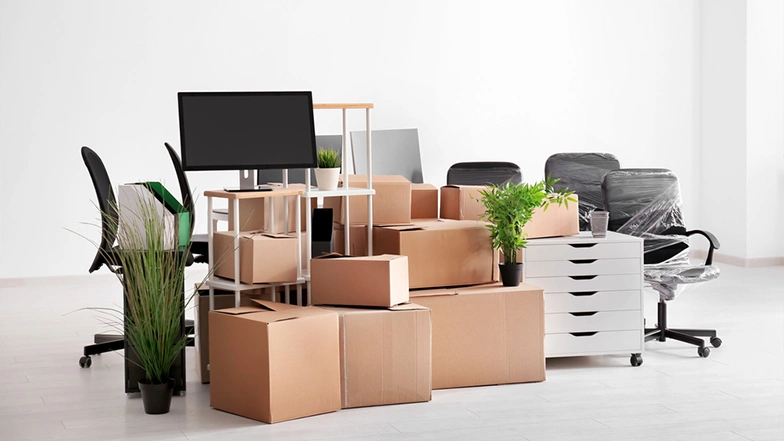
Moving to a new office can feel like trying to change a tyre while the car is still moving. Work can’t just stop, but everything has to shift. Whether you’re planning office removals in London or relocating elsewhere, minimizing downtime is crucial. Beyond boxes, cables, and furniture, the biggest challenge is avoiding disruption. How do you keep a team focused and productive while physically relocating their workspace?
Table of Contents
ToggleUnderstand Why Moves Go Wrong
Relocation isn’t just about packing up computers. It’s about systems, workflows, and human habits. A poorly managed move can disrupt all three. Boxes get lost, internet connections fail, employees struggle to find essentials, and productivity takes a hit.
But the worst damage isn’t just logistical—it’s psychological. If people feel like the move is a mess, their confidence in leadership erodes. Employees don’t just need desks and files; they need certainty that they can do their jobs. A great office move doesn’t just transport equipment—it ensures continuity in workflow and company culture.
Start Early, Think Strategically
Most people think of a move in terms of tasks: hiring movers, updating addresses, getting new furniture. That’s logistics—not strategy. Real planning starts with one key question: how do we keep the business running smoothly every day of this transition?
Map out all business functions and identify what must stay uninterrupted. Which systems need to keep running? What can be adjusted without affecting output? Once these non-negotiables are clear, structure the move around them.
Early planning is critical. Even for a small office, leaving things too late guarantees stress. Start months ahead, not just to organize logistics but to rethink workflows and improve efficiency. A move is a rare opportunity to upgrade how the business operates.
Involve Employees from the Start
A move shouldn’t feel like a surprise. Employees need to be part of the process, not just informed about it.
Long before moving day, talk to your team. Explain the reasons behind the move. Highlight the benefits of the new space and acknowledge any frustrations about the old one. More importantly, listen. Employees often notice operational details that leadership overlooks. A seemingly small layout change could impact daily efficiency.
When people feel involved, resistance decreases. When the move isn’t something happening to them but something they contribute to, engagement stays high.
Make the Move a Phased Transition
One of the biggest mistakes companies make is treating the move as a single event instead of a process. Moving day should be the final step—not a chaotic middle point.
Where possible, shift in phases to minimize downtime. If some employees can work remotely before the full move, great. If key departments can be set up in advance, even better. The goal is to make moving day feel effortless.
Before the full transition, ensure essential functions are ready in the new office. Internet and IT systems should be operational, desks arranged, and common areas set up. When employees walk in, they should be able to work immediately, not waste time troubleshooting missing equipment.
Prepare for Unexpected Issues
Even with the best planning, something will go wrong. A delivery might be delayed, an essential cable might go missing, or a desk might not fit as expected.
The key is adaptability. Have contingency plans in place. If the internet provider delays installation, is there a temporary Wi-Fi solution? If moving trucks arrive late, can some employees work remotely another day?
Technical problems are one thing; employee frustration is another. If leadership stays calm and solutions-focused, employees will follow suit. Keep communication clear and frequent. If an issue arises, acknowledge it and shift focus to solutions rather than assigning blame.
Optimizing the New Space
Moving is one of the few times a company can completely rethink its workspace. Use this opportunity to create an office that supports productivity, collaboration, and well-being.
Don’t just copy the old office layout into a new space. Think strategically—are desks placed to encourage focus? Are meeting spaces well-located? Are common frustrations from the old office eliminated? The right office design improves morale and efficiency.
Settle in Quickly
The first few weeks in a new office set the tone. If employees arrive to find missing chairs, unstable internet, or misplaced equipment, it slows momentum. A chaotic start leads to a longer adjustment period.
Make the transition smooth by ensuring everything is in place before employees arrive. Small touches—like welcome kits, a well-stocked kitchen, or a note acknowledging the move—help reinforce a positive experience. Encourage employees to personalize their spaces quickly to create a sense of familiarity.
Regular check-ins during the first month are crucial. What’s missing? What isn’t working? Addressing small issues early prevents bigger frustrations later.
A Move That Strengthens Your Business
A well-executed move doesn’t just minimize downtime—it strengthens a business. A poorly planned move disrupts workflows and morale, while a well-thought-out transition improves efficiency and team energy. Whether relocating within the city or handling removals in Oxfordshire, the key is to ensure your focus, productivity, and company culture remain intact.
At Removals Company Pro, we specialize in hassle-free office relocations. With expert planning, careful handling, and a seamless transition strategy, we ensure your office move is not just a change in space but a step forward in business growth.