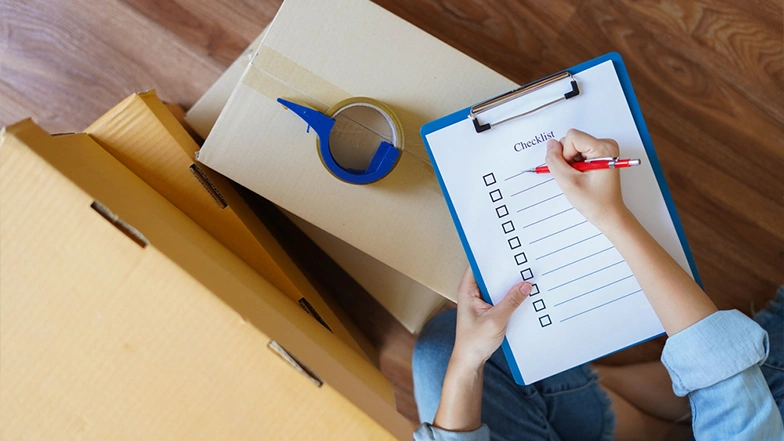
Moving house is an exciting but often overwhelming experience. Whether you’re relocating within the city or moving to a new area, the process involves packing, organizing, and dealing with logistics. Many people turn to house removal companies to make the transition smoother, while others prefer a DIY approach. Regardless of your choice, having a clear plan can significantly reduce stress.
Table of Contents
ToggleStart Early – Much Earlier Than You Think
One of the biggest mistakes people make is underestimating the time needed for packing and organizing. It’s easy to assume you have just a few things to sort out, only to realize midway through the process that you’ve accumulated far more than expected. Ideally, start preparing at least two months before moving day.
Begin by decluttering. Go through your belongings—clothes, furniture, appliances, and books—and decide what truly deserves to come with you. If you haven’t used an item in over a year, ask yourself if you really need it. Donating, selling, or recycling unnecessary items can make your move much easier.
Create a Moving Folder
Moving involves a lot of paperwork—contracts, receipts, and various emails. Keep all essential documents in a dedicated folder, whether physical or digital. This should include moving quotes, details of your removals from London, your new home’s paperwork, and important checklists. Having everything in one place will keep you organized.
Book Movers or Rent a Van Early
If you’re hiring professional movers, book them as soon as possible. The best house removal companies get fully booked weeks in advance. Research different options, read reviews, and get at least three quotes before making a decision.
For those opting for a DIY move, renting a van is a great alternative. However, be sure to choose the right size to avoid last-minute trips due to insufficient space.
Pack Strategically
Packing isn’t just about putting things in boxes; it requires planning. Use high-quality packing materials such as sturdy boxes, bubble wrap, packing tape, and markers.
Label each box clearly. Instead of a vague “kitchen” label, go for “kitchen – pots and pans.” Numbering your boxes and maintaining an inventory list will make unpacking much easier. Also, pack a separate ‘first-night box’ with essentials like a toothbrush, phone charger, and a few sets of clothes.
Notify People and Companies About Your Move
It’s easy to forget to update your address with essential services. Make a checklist of who needs to be informed:
Banks and financial institutions
Utility providers (electricity, gas, water)
Internet and TV providers
Insurance companies
Local council (for tax or electoral registration)
DVLA (if you drive)
Your employer
Healthcare providers
Subscription services
Setting up mail redirection through the postal service can also help catch any stray letters.
Set Up Utilities Before Moving Day
Imagine moving into your new home only to find there’s no electricity or water. Avoid this by taking final meter readings at your current home and setting up utilities in advance at your new place. Call your providers to ensure services are active on moving day.
Keep Your Home Clean During the Move
Cleaning as you go can make a huge difference. Instead of leaving everything for the last minute, clean each room as you empty it. This is particularly important if you’re renting, as leaving a tidy property can help ensure you get your deposit back.
Plan for Moving Day
Moving day can be chaotic, but a structured plan can help:
Start early to give yourself extra time for unexpected delays.
Arrange childcare or pet care to keep little ones safe and occupied.
Do a final walkthrough of your old home, checking cupboards, lofts, and sheds.
Unload items directly into the correct rooms at your new home to minimize unnecessary lifting.
Settling Into Your New Home
Once all the boxes are in, take a moment to breathe. Begin by assembling key furniture pieces like the bed, sofa, and dining table to make the space functional. Unpack essentials first, and take your time arranging the rest.
Take a stroll around your new neighborhood to familiarize yourself with local shops, parks, and services. Introducing yourself to neighbors can also help you feel more at home.
Give Yourself Time to Adjust
Moving is not just a physical transition; it’s an emotional one too. Even if you’re excited about your new home, it’s normal to feel a little unsettled. Give yourself time to adjust and don’t rush into unpacking everything at once. Celebrate small wins and enjoy the process of making your new space feel like home.
Final Thoughts
Relocating can feel overwhelming, but with careful planning, it can also be a fresh start. Whether you’re relying on house removal companies or handling the move yourself, organization and preparation are key. If you’re managing removals from London, ensuring everything is in order beforehand can make the transition smooth and stress-free. Here’s to a successful move and a wonderful new beginning!