

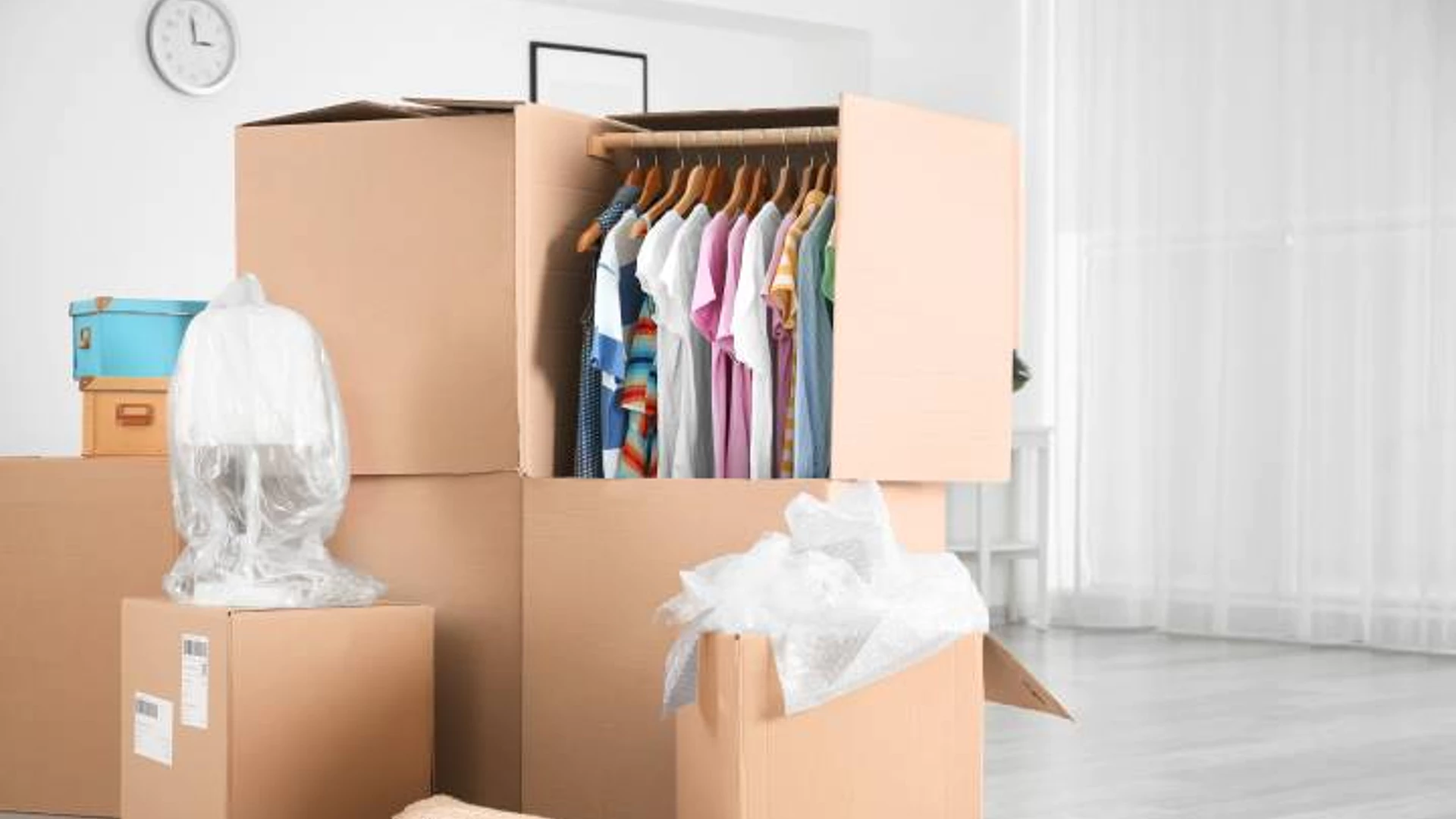
When you’re getting ready to move house, it’s not just about changing your address. It’s about untangling a life from one place, carefully folding it, and setting it down gently somewhere new. We often say, “I’m just packing clothes today,” as if our clothes are just fabric and fibres. But they hold stories. They mean something. The jumper you reach for when you’re heartbroken. That wrinkled T-shirt you wore the day you got your dream job. The dress from the night everything changed.
Packing and moving services London them isn’t just a task; it’s a reckoning with time.
Table of Contents
ToggleStart Before You Have To
Most people wait until the last week to think about their clothes, and that’s understandable. Clothes seem easy—soft, harmless, not like dishes or electronics. But clothes are sneaky. You don’t realise how much you own until it’s 10pm, you’re three cups of tea in, and there’s still a mountain of jumpers giving you a silent stare.
Start early. Not because of efficiency—though that’s helpful—but because revisiting your wardrobe takes time. You’ll find things you forgot you had. Things that make you pause. Mourn. Laugh. Starting early gives you space to feel those things and then move on with clarity.
Don’t Pack What You Don’t Love
This isn’t the time to be sentimental in a clinging way. This is the moment for honesty. Go through each item and ask yourself, not whether it ‘sparks joy,’ but whether you actually reach for it when you’re not trying to be someone else.
That shirt you’ve kept because it once belonged to someone who mattered—does it still serve you, or is it a weight you’ve dragged from flat to flat, hoping it would one day mean less?
Letting go of clothes is sometimes a quiet rebellion against who we once thought we had to be. It’s also a promise to carry only what supports us now.
Suitcases, Boxes or Bags?
Here’s the thing. Some people think there’s one right way to pack. There isn’t. There’s only the way that works for your life.
Suitcases are perfect for heavier clothes—jeans, boots, winter coats—because they come on wheels and save your back. They’re also a controlled space. Once it’s full, you stop.
Cardboard boxes are great for folded shirts and trousers. If you lay everything flat and stack it like pages in a book, you can fit more than you’d expect without creasing too much. Just don’t overload them.
Bags—bin liners or reusable zip bags—are tempting because they’re flexible, but they also offer chaos. If you have to use them, label them carefully. Otherwise, you’re just putting fabric into black holes and hoping it’ll all make sense later. It won’t.
Fold Like You Mean It
Folding can feel mindless. But here’s a gentle suggestion: make it deliberate. Each fold marks a choice—what you bring, how you care for it, the shape it’ll take in your new life.
There are dozens of ways to fold clothes, but two work best: the classic flat fold and the military roll. Rolling works for small items like T-shirts, making them compact and less wrinkled. Folding flat is better for structured clothes that lose shape easily, like button-down shirts.
But it’s not just about technique. It’s about gratitude. Folding well isn’t wasting time—it’s acknowledging that this piece of cloth clothed you, carried you, maybe even made you feel confident when you needed it. Treating your clothes with care now sets the tone for how you’ll treat your space once the move is over.
The ‘Essentials’ Bag
Think about your first night in the new place. Boxes stacked to the ceiling. Wi-Fi not yet working. A kettle, if you’re lucky. In that hour, nothing will be more golden than knowing which bag contains your pyjamas, your toothbrush, a clean pair of socks, and that hoodie you always reach for.
Your essentials bag isn’t just convenience—it’s the part of the move that feels planned, comforting. Keep with you what you need for two days’ grace: fresh basics, something to sleep in, something to wear the next day, and one outfit that you’d wear to something semi-important.
Yes, even if you don’t think anything important is happening. The world has a way of throwing things into your lap when you’re only half prepared.
Label With Love
We tend to scribble down ‘clothes’ or ‘bedroom’ on boxes and move on. But future-you? That version of you will silently thank present-you for being specific. ‘Summer dresses and scarves’ is infinitely more useful than ‘Clothes (Misc)’—especially when you’re hunting for something in week two and the place still doesn’t feel like home.
Write what’s inside, and where you’d like it to go. If you really want to spoil future-you, number the boxes and create a small list on your phone of what’s in each. Tedium now saves the kind of frustration later that makes people cry over Tupperware lids.
Shoes Are Not Just Shoes
Of course, you can throw all your shoes into a bag. They’ll survive. Probably. But they deserve better.
Shoes carry our lives on their soles, quite literally. They’re dirty, yes, but also noble. Wrap the ones that matter in paper or old pillowcases. Keep them separate so they don’t scuff each other. Stuff something inside each pair so they hold their shape. And if you have any left in the cupboard that hurt your feet every time but cost too much to throw away—maybe this is their moment to go.
Only take the shoes that walk with you, not the ones you endure.
For the Fragile Things—but Not in the Way You Think
Some clothes are fragile not because of material, but because of emotion. The outfit you wore to their funeral. The jacket your baby came home in. The knitwear that once belonged to your parent. What do you do with those?
Wrap them. Carefully. Not just in material, but in time. Set aside a quiet morning or evening. Fold them slowly, perhaps telling their stories in your head as you do. Then place them somewhere safe—a separate box, a suitcase corner. Mark it with something subtle, a gentle sign that it’s not just clothes in there. It’s memory.
When I worked with Removals Company Pro, they reminded me that a thoughtful move is about more than logistics—it’s about honouring what matters. Moving is change, and change often feels like shedding, but you don’t have to let go of everything. Some things can come with you, even just to remind you where you’ve been.
Be Prepared to Lose Control
Packing clothes, like life, doesn’t always go as planned. You’ll start with a spreadsheet and end up crying into a laundry basket at some point. Something will go missing. A box will tear. You’ll forget why you even started this whole thing.
That’s okay. Moving is disorienting precisely because of what it asks of you: to contain something uncontainable. The wardrobe you’ve built is both physical and metaphorical. Sorting through your clothes means sifting through parts of your identity too.
So when you feel overwhelmed, pause. Make a cup of tea. Look out the window. And remember: every piece you’re packing was once new to you. A choice you made. A version of yourself you tried on.
Unpacking Is a Reunion
When the moving van drives off and you finally open the ‘Clothing – Wardrobe Favourites’ box, something shifts. You’re no longer packing to leave—you’re unpacking to arrive.
Each item you unfold is a little welcome note to yourself. “You made it. You’re here. Let’s begin again.”
You might choose to reorganise your wardrobe differently in the new place. Colour-coded. Season-based. Or perhaps by how they make you feel. However you choose, don’t rush it. This is your chance to curate your space in a way that supports the life you want to live.
Clothing the Future
Packing clothes might not seem like a philosophical exercise, but for those who pay attention—it is. Each garment carries threads of your past, and as you decide what to bring, you’re also deciding who you’ll be in the next chapter.
Maybe you’ll dress a bit differently in the new place. Maybe you’ll feel free to finally wear that bold colour, or to give up trying to fit into clothes that don’t feel like you anymore. Moving gives us that rare chance: to dress for a life not yet lived.
So fold with care. Pack with thought. And when the time comes to unpack, do so with grace. You’re not just moving things. You’re moving meaning. And that’s no small task.