I once helped a friend pack up her father’s study after he passed away. Among the years of books and papers were fragile old letters, personal financial records, and legal documents that held the weight of a lifetime’s decisions. As we carefully sorted through them, I realised something: moving sensitive information is an act of trust and responsibility.
Whether it’s family paperwork, business contracts, or legal records, handling private documents requires more than just putting them in a box and hoping for the best. It demands thoughtfulness, planning, and a sense of duty to those they concern. Yet, many people treat such papers like any other possession—tucked into a moving box, unlabelled, at risk of being lost or exposed.
Confidential information, in the wrong hands or misplaced, can lead to financial loss, identity theft, or even emotional harm. So, how do you ensure your most sensitive documents remain both safe and accessible during a move?
Table of Contents
ToggleKnow What You Are Moving
Most people underestimate the sheer amount of sensitive paperwork they possess until they have to gather it in one place. Take stock of what you have before attempting to move anything. This includes legal records, passports, medical files, financial statements, and personal correspondence.
Go through everything carefully. Do you need it all? Old bank statements from ten years ago might contain important historical information, or they might be nothing but unnecessary clutter. Shredding documents you no longer require reduces risk and lightens your load.
Organising what remains into categories will make the process smoother. Keep legal papers together, financial documents in another bundle, and personal items separate. Whether you’re handling personal documents or dealing with paperwork during House Removals London, knowing exactly what you are transporting is the first step in ensuring it stays safe.
Use the Right Storage
How you store these documents during the move is just as important as remembering to take them with you. A locked, fireproof document box is ideal. If the papers hold significant value, consider using a tamper-proof bag or a case with a coded lock. A simple folder or cardboard box is not enough to protect against loss, theft, or damage.
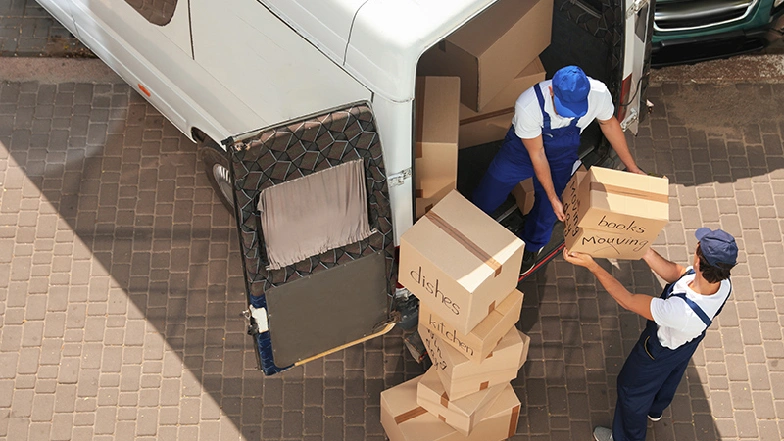
Never place confidential papers in the back of a removals van with general household items. If papers shift or boxes tip over, documents might fall out, mix with others, or even go missing entirely. Instead, keep them with you throughout the journey.
For digital files, ensure they are stored on encrypted USB drives or password-protected cloud storage. Relying solely on physical copies increases the risk of permanently losing critical information.
Move It Yourself If You Can
A vague childhood memory surfaces—a relative once lost a birth certificate in a move because it was packed in the wrong box and sent off with furniture. It took weeks to retrieve the missing document, hidden amongst linens in an unmarked container.
If the documents are critical, do not entrust them to anyone else. Keep them in a secure bag at all times and transport them yourself, whether in a briefcase, a backpack, or a locked storage box that stays in your car or on your person. This might seem excessive, but given the inconvenience and potential damage caused by lost or stolen papers, the precaution is worth it.
Consider a Secure Courier for Long-Distance Moves
Sometimes, personally carrying confidential documents is not an option. Perhaps the distance is too great, or multiple locations are involved. In this case, do not use standard shipping. Ordinary postal services or cheap couriers are not secure enough for sensitive material.
Instead, use a trusted service that offers tracking, insurance, and signature confirmation on delivery. If the information is particularly sensitive, some couriers provide specialist secure document transport with strict protocols in place. Knowing exactly where your documents are at every stage of the journey provides peace of mind.
Protect Against Loss and Theft
While security concerns often focus on theft, misplacement is just as dangerous. A distracted moment during a move—placing an important folder down for “just a second”—can lead to significant problems.
Always keep confidential papers in the same location until they are safely transferred. Resist the urge to separate different types of documents into various places. It might feel more organised at the time, but it increases the chances of forgetting something.
If moving involves staying overnight somewhere, ensure documents are locked away securely before going to sleep. Never leave them exposed in a hotel room or rental car. A small portable safe can be an invaluable investment during transitions.
Keep Digital Copies as a Backup
Relying solely on physical copies is risky. Water damage, fire, accidental losses—many things can happen during a move. Before transporting anything, scan important documents and save them in a secure, encrypted folder on a hard drive or cloud service.
That way, even if the worst occurs, the information remains accessible. Be sure to follow proper cybersecurity measures: use strong passwords, enable two-factor authentication, and limit who has access to those files.
Take Inventory Before and After
Before packing up anything, make a list of the documents you are moving. This serves two purposes: it helps ensure you do not forget anything, and it allows you to confirm everything arrived safely.
Once you reach your destination, check your list against what you have. If something is missing, you will know immediately and can take action before too much time has passed. The sooner a missing document is noticed, the better the chances of finding it.
Settle Them Into Their New Home Immediately
Moving often brings chaos. Boxes stack up, furniture is out of place, and paperwork can easily be ignored in the rush of settling in. But confidential papers should not linger in an unmarked box or remain in a suitcase hidden at the back of a closet.
As soon as possible, place them in their new, secure location. Whether it is a locked filing cabinet, a home safe, or a password-protected folder on your computer, put them where they belong. Procrastination invites vulnerability.
A Matter of Respect and Responsibility
Handling private documents is more than just logistics—it is about responsibility. When we move sensitive information, we are not merely transporting paper; we are safeguarding identities, legal rights, and personal histories.
For those planning a major relocation, choosing a reliable London removal company is crucial in ensuring a smooth transition. Whether you’re moving a household or an office, professionals who specialise in house removals London understand the importance of secure and organised transport. Partnering with the right team reduces stress and ensures that every valuable document and belonging is handled with care.
A friend once told me about her grandmother’s handwritten letters, filled with family stories, that were lost during a house move. They were not financial or legal documents, but they carried something equally valuable—memory. It reminded me that some paper is irreplaceable, carrying not just facts, but pieces of our lives.
Whether you are moving your own paperwork, safeguarding business records, or handling a loved one’s affairs, treat them with the same care you would want someone to take with yours. Security is not about paranoia—it is about respect. A small effort now can prevent stress, loss, and regret later.
So the next time you have to move confidential papers, take a moment. Plan ahead. Handle them with care. Because what we protect says something about what we value.
I once helped a friend pack up her father’s study after he passed away. Among the years of books and papers were fragile old letters, personal financial records, and legal documents that held the weight of a lifetime’s decisions. As we carefully sorted through them, I realised something: moving sensitive information is an act of trust and responsibility.
Whether it’s family paperwork, business contracts, or legal records, handling private documents requires more than just putting them in a box and hoping for the best. It demands thoughtfulness, planning, and a sense of duty to those they concern. Yet, many people treat such papers like any other possession—tucked into a moving box, unlabelled, at risk of being lost or exposed.
Confidential information, in the wrong hands or misplaced, can lead to financial loss, identity theft, or even emotional harm. So, how do you ensure your most sensitive documents remain both safe and accessible during a move?
Know What You Are Moving
Most people underestimate the sheer amount of sensitive paperwork they possess until they have to gather it in one place. Take stock of what you have before attempting to move anything. This includes legal records, passports, medical files, financial statements, and personal correspondence.
Go through everything carefully. Do you need it all? Old bank statements from ten years ago might contain important historical information, or they might be nothing but unnecessary clutter. Shredding documents you no longer require reduces risk and lightens your load.
Organising what remains into categories will make the process smoother. Keep legal papers together, financial documents in another bundle, and personal items separate. Knowing exactly what you are transporting is the first step in ensuring it stays safe.
Use the Right Storage
How you store these documents during the move is just as important as remembering to take them with you. A locked, fireproof document box is ideal. If the papers hold significant value, consider using a tamper-proof bag or a case with a coded lock. A simple folder or cardboard box is not enough to protect against loss, theft, or damage.
Never place confidential papers in the back of a removals van with general household items. If papers shift or boxes tip over, documents might fall out, mix with others, or even go missing entirely. Instead, keep them with you throughout the journey.
For digital files, ensure they are stored on encrypted USB drives or password-protected cloud storage. Relying solely on physical copies increases the risk of permanently losing critical information.
Move It Yourself If You Can
A vague childhood memory surfaces—a relative once lost a birth certificate in a move because it was packed in the wrong box and sent off with furniture. It took weeks to retrieve the missing document, hidden amongst linens in an unmarked container.
If the documents are critical, do not entrust them to anyone else. Keep them in a secure bag at all times and transport them yourself, whether in a briefcase, a backpack, or a locked storage box that stays in your car or on your person. This might seem excessive, but given the inconvenience and potential damage caused by lost or stolen papers, the precaution is worth it.
Consider a Secure Courier for Long-Distance Moves
Sometimes, personally carrying confidential documents is not an option. Perhaps the distance is too great, or multiple locations are involved. In this case, do not use standard shipping. Ordinary postal services or cheap couriers are not secure enough for sensitive material.
Instead, use a trusted service that offers tracking, insurance, and signature confirmation on delivery. If the information is particularly sensitive, some couriers provide specialist secure document transport with strict protocols in place. Knowing exactly where your documents are at every stage of the journey provides peace of mind.
Protect Against Loss and Theft
While security concerns often focus on theft, misplacement is just as dangerous. A distracted moment during a move—placing an important folder down for “just a second”—can lead to significant problems.
Always keep confidential papers in the same location until they are safely transferred. Resist the urge to separate different types of documents into various places. It might feel more organised at the time, but it increases the chances of forgetting something.
If moving involves staying overnight somewhere, ensure documents are locked away securely before going to sleep. Never leave them exposed in a hotel room or rental car. A small portable safe can be an invaluable investment during transitions.
Keep Digital Copies as a Backup
Relying solely on physical copies is risky. Water damage, fire, accidental losses—many things can happen during a move. Before transporting anything, scan important documents and save them in a secure, encrypted folder on a hard drive or cloud service.
That way, even if the worst occurs, the information remains accessible. Be sure to follow proper cybersecurity measures: use strong passwords, enable two-factor authentication, and limit who has access to those files.
Take Inventory Before and After
Before packing up anything, make a list of the documents you are moving. This serves two purposes: it helps ensure you do not forget anything, and it allows you to confirm everything arrived safely.
Once you reach your destination, check your list against what you have. If something is missing, you will know immediately and can take action before too much time has passed. The sooner a missing document is noticed, the better the chances of finding it.
Settle Them Into Their New Home Immediately
Moving often brings chaos. Boxes stack up, furniture is out of place, and paperwork can easily be ignored in the rush of settling in. But confidential papers should not linger in an unmarked box or remain in a suitcase hidden at the back of a closet.
As soon as possible, place them in their new, secure location. Whether it is a locked filing cabinet, a home safe, or a password-protected folder on your computer, put them where they belong. Procrastination invites vulnerability.
A Matter of Respect and Responsibility
Handling private documents is more than just logistics—it is about responsibility. When we move sensitive information, we are not merely transporting paper; we are safeguarding identities, legal rights, and personal histories.
A friend once told me about her grandmother’s handwritten letters, filled with family stories, that were lost during a house move. They were not financial or legal documents, but they carried something equally valuable—memory. It reminded me that some paper is irreplaceable, carrying not just facts, but pieces of our lives.
Whether you are moving your own paperwork, safeguarding business records, or handling a loved one’s affairs, treat them with the same care you would want someone to take with yours. Security is not about paranoia—it is about respect. A small effort now can prevent stress, loss, and regret later.
So the next time you have to move confidential papers, take a moment. Plan ahead. Handle them with care. Because what we protect says something about what we value.