Moving can be a stressful experience, particularly when it comes to ensuring the safety of your furniture. Whether you’re moving across town or across the country, the last thing you want is to find your prized possessions scratched, dented, or damaged upon arrival. This is where moving pads come into play. They are an essential tool for anyone looking to protect their furniture during transit. In this comprehensive guide, we’ll delve into everything you need to know about using moving pads to safeguard your furniture, ensuring it arrives at your new home in the same condition it left your old one.
Table of Contents
ToggleUnderstanding Moving Pads: What Are They?
Before diving into how to use moving pads, it’s important to understand what they are and why they are so effective. Moving pads, also known as furniture pads or moving blankets, are thick, cushioned coverings designed to protect furniture from damage during a move. They are typically made from durable materials like cotton, polyester, or a blend of both, often with additional padding inside to absorb shocks and prevent scratches.
Types of Moving Pads
There are several types of moving pads available, each designed for specific needs and budgets:
- Quilted Pads: These are the most common type and are usually made from a blend of cotton and polyester with an inner layer of padding. They are highly durable and offer excellent protection, making them a favourite among professional movers.
- Economy Pads: These are more affordable and usually thinner than quilted pads. While they may not offer the same level of protection, they are still a good option for lighter, less fragile items or for those on a tight budget.
- Pro-Grade Pads: These are heavy-duty pads used by professional moving companies. They are thicker and more durable than standard quilted pads, making them ideal for protecting high-value or particularly delicate furniture.
- Paper Pads: These are a lightweight and budget-friendly option, made from layers of paper with a soft interior. They offer basic protection and are best used for covering items that are less prone to damage.
Why Use Moving Pads?
Moving pads are an invaluable tool for several reasons:
- Protection Against Scratches and Dents: The thick padding of moving pads shields furniture from scratches, scuffs, and dents that can occur when items rub against each other or against the walls of the moving truck.
- Shock Absorption: Moving pads provide a cushioning layer that absorbs shocks and impacts during transit, preventing damage from sudden movements, bumps, or drops.
- Moisture Barrier: High-quality moving pads can also act as a barrier against moisture, protecting your furniture from water damage in case of rain or humid conditions.
- Versatility: Moving pads are not just for furniture. They can also be used to protect appliances, electronics, and even fragile items like mirrors and artwork.
How to Choose the Right Moving Pads
Choosing the right moving pads is crucial to ensuring your furniture is well-protected. Here are some factors to consider when selecting moving pads for your move:
1. Size and Thickness
Moving pads come in various sizes, typically ranging from 54 x 72 inches to 72 x 80 inches. The size you need depends on the furniture you’re protecting. Larger pieces like sofas or dining tables may require larger pads, while smaller items like chairs or side tables can be covered with smaller ones.
Thickness is another important factor. Thicker pads offer better protection but can be bulkier and more difficult to handle. For delicate or valuable items, opt for thicker, quilted pads. For less fragile items, thinner economy pads may suffice.
2. Material
The material of the moving pad plays a significant role in its durability and protective capabilities. Cotton pads are soft and offer good protection against scratches, but they can be more expensive. Polyester pads are more durable and resistant to tears but may not be as soft. Blended pads offer a balance between the two.
3. Quantity
Consider how many moving pads you’ll need based on the amount of furniture you have. It’s better to overestimate and have a few extra pads than to run out mid-move. As a general rule, plan on using one or two pads per piece of furniture, depending on its size and fragility.
4. Budget
Your budget will also influence your choice of moving pads. While pro-grade pads offer the best protection, they are also the most expensive. If you’re on a tight budget, you may opt for economy pads for less fragile items and reserve thicker, quilted pads for more valuable pieces.
5. Reusable or Disposable
If you’re planning on multiple moves or need to store furniture for a period of time, investing in reusable moving pads can be a cost-effective option. These pads are designed to withstand multiple uses and are often more durable. Disposable pads, on the other hand, are cheaper and convenient for one-time use but may not offer the same level of protection.
How to Properly Use Moving Pads
Knowing how to properly use moving pads is just as important as choosing the right ones. Incorrectly applied moving pads can lead to inadequate protection, rendering them ineffective. Follow these steps to ensure your furniture is fully protected:
1. Wrap the Furniture Completely
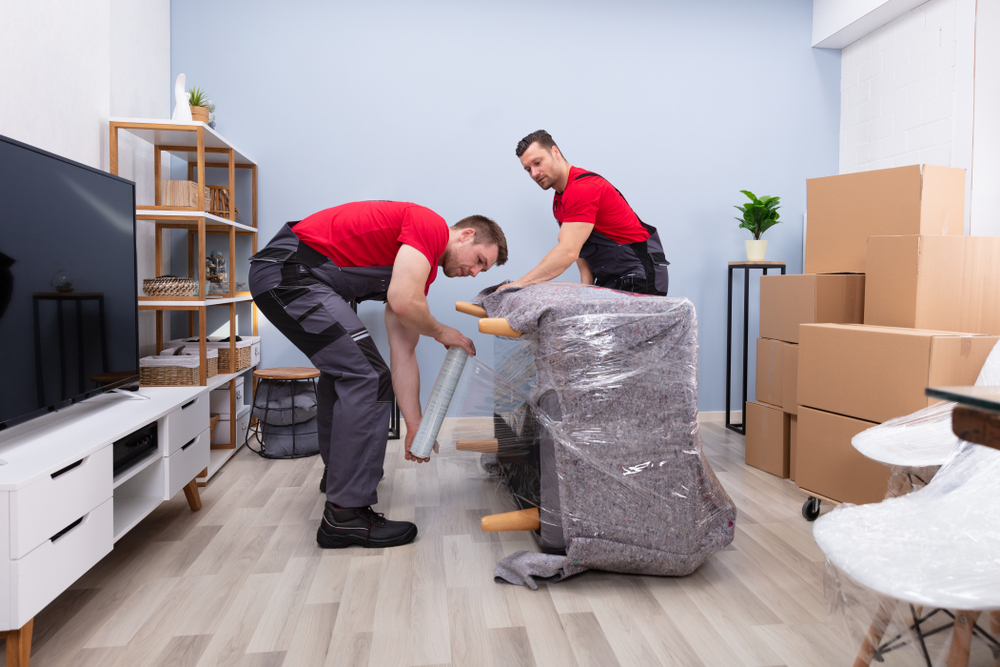
To provide the best protection, the moving pad should cover the entire piece of furniture. Lay the pad flat on the floor, place the furniture in the centre, and then wrap the pad around the item. Ensure all sides are covered, especially corners and edges, which are most vulnerable to damage.
2. Secure the Pads with Tape or Stretch Wrap
Once the furniture is wrapped, secure the pad in place using packing tape or stretch wrap. This prevents the pad from shifting during transit, which could expose parts of the furniture to damage. Be careful not to tape directly onto the furniture, as this could cause damage when the tape is removed.
3. Use Multiple Pads for Large or Delicate Items
For large pieces of furniture or particularly delicate items, consider using more than one pad. Overlapping pads will provide additional layers of protection and can be especially useful for items with complex shapes, like armchairs or ornate tables.
4. Protect the Corners and Edges
Corners and edges are the most likely to sustain damage during a move, so pay extra attention to these areas. You can fold the moving pad over the corners to create extra cushioning, or use corner protectors in conjunction with the pads for added protection.
5. Use Moving Straps for Heavy Items
For particularly heavy items like pianos, large dressers, or appliances, consider using moving straps in addition to moving pads. Straps can help you securely lift and transport heavy items, reducing the risk of dropping or damaging the furniture.
6. Label Wrapped Furniture
Once your furniture is wrapped and secured, it’s a good idea to label it, especially if you’re using a lot of moving pads. Labels can help movers quickly identify the contents and handle them accordingly, ensuring fragile items receive the care they need.
7. Load Furniture Carefully
When loading wrapped furniture into the moving truck, place the heaviest items on the bottom and lighter items on top. This not only helps with stability but also prevents heavier pieces from crushing lighter ones. Ensure that the wrapped furniture is tightly packed to minimise movement during transit.
8. Use Moving Pads Inside Storage Units
If you’re storing furniture in a storage unit, use moving pads to protect it from dust, dirt, and potential damage from other stored items. Pads can also help prevent moisture buildup, especially in non-climate-controlled units. For the best storage solutions London, consider climate-controlled facilities to keep your belongings in top condition.
Additional Tips for Moving with Moving Pads
While moving pads are incredibly useful, there are additional steps you can take to further protect your furniture during a move:
1. Disassemble Furniture When Possible
Disassembling larger pieces of furniture, like bed frames, dining tables, or modular sofas, can make them easier to wrap and transport. Be sure to keep all screws, bolts, and small parts in labeled bags so you can easily reassemble the furniture at your new location.
2. Use Furniture Sliders
Furniture sliders can be used in conjunction with moving pads to make it easier to move heavy items across floors without damaging them. Simply place the sliders under the legs or corners of the furniture before wrapping it with a moving pad.
3. Protect Floors and Walls
While moving pads protect your furniture, don’t forget about your floors and walls. Place pads or cardboard along walls and floors in high-traffic areas to prevent scratches and scuffs from furniture as it’s being moved.
4. Work with Professional Movers
If you’re unsure about how to properly protect your furniture or are dealing with particularly valuable or delicate items, consider hiring professional movers. They have the experience and equipment to safely move your belongings and will often provide moving pads as part of their service.
5. Inspect Furniture Upon Arrival
Once you’ve arrived at your new location, carefully inspect your furniture before unwrapping it. Look for any signs of damage that may have occurred during transit. If you notice any issues, document them with photos and contact your moving company if you used one.
Common Mistakes to Avoid
Even with the best intentions, it’s easy to make mistakes when using moving pads. Here are some common pitfalls to watch out for:
1. Using Too Few Pads
One of the most common mistakes is underestimating the number of moving pads needed. Using too few pads can leave parts of your furniture exposed to damage. Always err on the side of caution and use more pads than you think you’ll need.
2. Not Securing the Pads Properly
Another common mistake is failing to secure the pads properly. If the pads are not taped or wrapped securely, they can shift during transit, leaving your furniture unprotected. Take the time to ensure the pads are tightly secured around each piece.
3. Using Inferior Quality Pads
While it may be tempting to save money by purchasing cheaper moving pads, this can be a false economy. Low-quality pads may not provide adequate protection, leading to potential damage to your furniture. Invest in good-quality pads, especially for valuable or delicate items.
4. Ignoring Small Items
Small items like chair legs, table corners, or drawer handles can be easily overlooked but are just as susceptible to damage as larger pieces. Make sure to wrap and protect these small details with moving pads or additional padding materials.
5. Overloading the Moving Truck
Overloading the moving truck or improperly stacking items can lead to shifting during transit, even if your furniture is well-wrapped. Be mindful of weight distribution and avoid stacking heavy items on top of lighter ones.
The Environmental Impact of Moving Pads
As we become more conscious of our environmental impact, it’s worth considering the environmental footprint of moving pads. Many moving pads are made from synthetic materials that are not biodegradable. However, there are eco-friendly options available:
1. Reusable Moving Pads
Investing in reusable moving pads can reduce waste. These pads are designed for multiple uses and are typically more durable, meaning they won’t need to be replaced as often.
2. Recycled Material Pads
Some moving pads are made from recycled materials, offering a more environmentally friendly option. Look for pads labeled as eco-friendly or made from recycled fibers.
3. Proper Disposal
If you’re using disposable moving pads, be sure to dispose of them properly. Many recycling centres accept moving pads, particularly those made from paper or recycled materials.
4. Renting Moving Pads
Renting moving pads instead of buying them can also be a more sustainable option, especially if you don’t anticipate needing them again. Many moving companies offer moving pad rentals as part of their services.
Conclusion
Protecting your furniture during a move is a critical task that can save you time, money, and stress. Moving pads are an essential tool in this process, offering protection against scratches, dents, and other forms of damage that can occur during transit. By choosing the right moving pads, using them correctly, and taking additional precautions, you can ensure that your furniture arrives at your new home removal company in London pristine condition.
Remember to consider the size, material, and quantity of moving pads you need, and always prioritise the proper wrapping and securing of each piece of furniture. Avoid common mistakes, and consider the environmental impact of your choices by opting for reusable or recycled pads where possible.
Moving is never easy, but with the right tools and knowledge, you can protect your belongings and make the transition to your new home as smooth as possible. So, whether you’re moving across the street or across the country, make sure you’re well-prepared with high-quality moving pads to safeguard your furniture every step of the way.